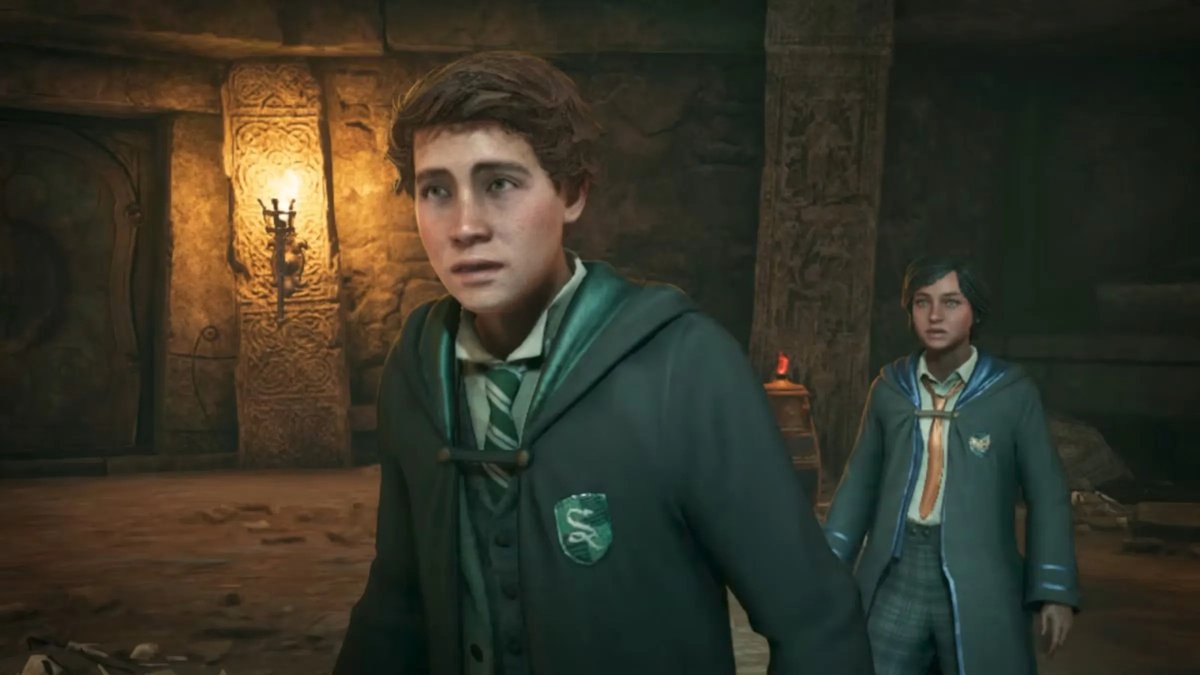
It’s a moment every Wizarding World fan dreams of: stepping onto the grounds of Hogwarts as a student, wand in hand, ready for adventure. But before you can master spells or uncover ancient secrets, there's a crucial first step that sets the stage for your entire journey: naming your character. More than just a label, your Hogwarts Legacy Name Trends & Popular Choices define who you are in the 1890s magical world, shaping your immersion and the stories you’ll tell.
Forget generic fantasy names or modern monikers. Hogwarts Legacy offers a unique opportunity to craft an identity steeped in a specific time and place. This guide isn't just about picking a name; it's about understanding the magical nuances, historical context, and creative strategies that make a name truly yours within this enchanting universe.
At a Glance: Crafting Your Wizarding World Name
- Context is King: The game is set in 1890s Britain. Your character is a 5th-year student born around 1874-1875.
- Embrace Victorian: Look to late 19th-century Muggle names for authentic first and surnames.
- British Roots for Surnames: Obscure British place names (villages, old streets) make excellent, period-appropriate last names.
- Define Your Character First: Blood status, nationality, and background profoundly influence naming choices.
- Nicknames Tell a Story: Consider a chosen name or nickname to reflect your character's personality or roleplay style.
- Global Inspiration: Hogwarts is international; explore 19th-century non-native names for a foreign student persona.
- Lore-Friendly Choices: Draw inspiration from in-game NPCs or subtle hints from existing Harry Potter characters (e.g., names reflecting good/evil).
- Classical & Mythological Echoes: Many wizarding names have roots in Greek, Roman, or medieval lore.
- Don't Overlook Minor Characters: The broader Harry Potter universe offers a wealth of unique, yet realistic, first names.
Why Your Name Matters in the Wizarding World of 1890
Hogwarts Legacy plunges you into a vivid, historical recreation of the Wizarding World, a full century before Harry Potter’s time. You'll enter as a new 5th-year student, a rare occurrence that immediately sets you apart. This unique starting point means your character was likely born between 1874 and 1875. Choosing a name that resonates with this specific era is paramount to truly feeling like you belong in its cobblestone corridors and ancient classrooms.
A well-chosen name doesn't just sound good; it tells a story, hints at your lineage, and grounds you firmly in the game's rich lore. It’s the first brushstroke on the canvas of your character's identity, influencing everything from how you perceive yourself to how you interact with the world around you. Let’s explore the trends and choices that will help you forge an unforgettable wizarding persona.
Crafting an Authentic Identity: Core Naming Principles
Creating a name for your Hogwarts Legacy character is an art form. It's about weaving together history, lore, and personal flair. Here’s how the experts do it:
Embrace the Victorian Era: A Glimpse into 1890s Naming Conventions
The late 19th century in Britain had distinct naming trends. For a truly authentic character, dive into historical birth records or online databases of Victorian names. Think classic, often multi-syllabic names that carry a certain gravitas or elegance.
For boys, popular choices included William, George, John, Frederick, Henry, Alfred, Charles, Arthur, or Ernest. Girls often bore names like Mary, Ada, Florence, Edith, Alice, Margaret, Eleanor, Clara, or Beatrice. While these were common Muggle names, remember that the Wizarding World isn't entirely separate; many magical families would share similar naming pools. Consider a slightly less common but still period-appropriate name for a touch of individuality.
The Power of Place: British Toponymy for Distinctive Surnames
Wizarding surnames often sound old, established, and distinctly British. Many derive from archaic English words, occupations, or, crucially, place names. To give your character an immediate sense of rootedness in the British Isles, look to old or obscure British villages, hamlets, or even historical street names.
Imagine a student named "Thornecroft," "Holloway," or "Ashworth"—names that evoke landscapes and forgotten histories. These aren’t just arbitrary words; they carry a subtle weight, suggesting a family line tied to specific lands or ancient locales. Mixing an old village name like "Picklescott" or "Tolpuddle" (as suggested by EIP.gg's research) into a surname can give it an instant, immersive quality.
Your Character's Story: Bloodline, Nationality, and Class
Before settling on a name, ask yourself: Who is this witch or wizard? Are they a pure-blood from an ancient magical family, a resourceful half-blood, or a curious Muggle-born? Their background profoundly influences naming conventions.
- Pure-Bloods: Often have more traditional, sometimes elaborate or even slightly eccentric names, reflecting generations of wizarding heritage (e.g., "Malfoy," "Black," "Longbottom"). They might carry names with Latin roots or those found in classical mythology.
- Half-Bloods: Could have names that blend Muggle familiarity with a touch of the magical, or simply a common Muggle name.
- Muggle-Borns: Would almost certainly have common 19th-century Muggle names, perhaps chosen for them before their magical abilities were known.
Similarly, consider their nationality. While Hogwarts is in Scotland, it welcomes international students. A French or German last name from the 1890s would be perfectly immersive if you roleplay as a student from abroad.
Beyond Birth: Nicknames and Chosen Identities
Not every name has to be given at birth. The Wizarding World is full of characters who adopt nicknames or chosen names that better reflect their identity or destiny. Think of Tom Riddle choosing "Voldemort" or Nymphadora Tonks preferring "Tonks."
A nickname can be a shortened version of a formal name (e.g., "Alfie" for Alfred, "Edie" for Edith), or it can be an entirely new moniker reflecting your character's personality or chosen path. If you envision your character as a bit mischievous, perhaps a playful nickname. If they're destined for a darker path, a more intimidating or mysterious chosen name could fit. This offers a fantastic roleplaying opportunity.
Global Classroom: Non-Native & International Names
Hogwarts isn't just for British wizards. The game itself features international students like Natsai Onai, whose origins lie beyond the UK. This opens up a rich vein of inspiration for your character's name.
If you want to roleplay as a student from France, Germany, Italy, or another European nation, research common names from those regions in the late 19th century. A French surname like "Dubois" or a German "Schneider" instantly tells a story about your character's origins. This adds an extra layer of depth and diversity to your wizarding identity, making you feel truly part of a global magical community.
A Nod to Lore: In-Game NPC Inspiration
Hogwarts Legacy's developers spent considerable effort creating a cast of NPCs whose names fit the 1890s setting perfectly. Keep an ear out for names of professors, fellow students, and other characters you encounter. Names like "Professor Fig" or "Sebastian Sallow" offer excellent examples of the game's established naming aesthetic.
A word of caution: If it's your first playthrough, you might want to avoid actively researching NPC names to prevent potential spoilers about characters or plot points. This tip is often best saved for a second or third playthrough when you’re already familiar with the world.
Whispers of Destiny: Names Reflecting Nature & Alignment
In the Harry Potter universe, names often subtly hint at a character's personality or alignment. Think of "Luna Lovegood," whose surname perfectly encapsulates her gentle, optimistic nature, or "Bellatrix Lestrange," whose first name suggests a warrior and whose surname implies something sinister.
Consider if your character will lean towards light or dark magic, or perhaps walk a more ambiguous path. A name with a softer, more benevolent sound might suit a hero, while one with harsher consonants or a more imposing feel could hint at darker tendencies. This doesn't mean you need to be obvious, but a subtle thematic connection can add depth.
Echoes of Antiquity: Classical & Mythological Roots
Many well-known wizarding names have their origins in classical Greek and Roman literature and mythology. Figures like Minerva McGonagall (Roman goddess of wisdom) or Cornelius Fudge (a Roman family name) are prime examples.
Delve into lists of Roman emperors, mythical heroes (Hercules, Theseus), classical deities (Diana, Apollo), or even ancient philosophers. Names like Octavia, Cassius, Penelope, or Alistair carry a timeless, scholarly, and often distinguished feel that perfectly suits the long-standing traditions of the Wizarding World. This approach can make your character feel like they hail from an old, well-read magical family.
Ancient Magic, Ancient Names: Arthurian & Medieval Connections
Given the overarching theme of Ancient Magic and Merlin’s prominent role in the lore of Hogwarts Legacy, names with Arthurian or broader medieval connections are incredibly fitting. These names evoke a sense of timeless power, mystery, and deep magical heritage.
Consider names like Gawain, Iseult, Lancelot, Guinevere, or Morgana. Even less direct medieval names such as Euphemia, Wilfred, or Constance can lend a character an air of ancient lineage and a connection to the very foundations of magic itself. If your character feels deeply connected to the old ways or has a particular affinity for powerful, forgotten spells, an Arthurian or medieval name could be perfect.
Deep Dive into the Archives: Harry Potter Series Minor Characters
Beyond the main cast, the Harry Potter books and films are teeming with hundreds of minor characters—students, ghosts, Ministry officials, and more. Their names provide an invaluable resource for finding unique yet perfectly canonical first names.
Instead of trying to invent something entirely new, browse through lists of these secondary characters. You might stumble upon a forgotten gem like "Cadwallader," "Eloise," "Barnaby," or "Agnes." Using an existing first name is not only realistic (not everyone in reality has a wholly unique name), but it also firmly plants your character within the established linguistic framework of the Wizarding World.
Bringing It All Together: A Step-by-Step Approach to Naming Your Character
Feeling overwhelmed by choices? Here’s a streamlined process to help you land on the perfect name:
- Define Your Character Concept: Before anything else, sketch out your character's core identity. What's their personality? Their background (blood status, nationality)? Their aspirations or alignment? Are they a studious Ravenclaw, a cunning Slytherin, a brave Gryffindor, or a loyal Hufflepuff? This framework will guide your name choices.
- Brainstorm First Names (Victorian, Classical, Lore-Friendly): Start a list. Look at common Victorian names, classical names, medieval names, and names of minor Harry Potter characters. Don’t censor yourself; just write down everything that catches your eye and feels right for your concept.
- Brainstorm Surnames (British Place Names, Established Wizarding Vibes): Focus on those obscure British place names, ancient street names, or existing, less common wizarding surnames (avoiding main character names, of course). Think about how they sound with your potential first names.
- Mix, Match, and Test for Sound: Combine your favorite first names with your favorite surnames. Say them out loud. How do they roll off the tongue? Do they sound balanced? Does the full name evoke the feeling you want for your character? For instance, "Eleanor Blackwood" sounds quite different from "Agnes Thorne."
- Consider a Nickname (Optional, but Fun): If the full name feels a bit formal, or if you want an extra layer of roleplay, think about a nickname. Does it fit the era? Does it suit your character's personality?
- Final Polish and Confidence: Once you have a name that clicks, stick with it! The best name is the one that makes you feel most connected to your character and the world. Don't be afraid to try out a few different options across multiple saves if you’re unsure.
Common Naming Pitfalls to Avoid
While creativity is encouraged, some choices can break immersion in Hogwarts Legacy:
- Too Modern/Anachronistic: Avoid names like "Jayden," "Nevaeh," or "Skyler." These simply wouldn't exist in 1890s Britain and will pull you right out of the experience.
- Overly Cliché or Obvious: While naming your character "Harry Potter Jr." is technically a choice, it detracts from creating a unique identity in a game designed for your story. Similarly, "Ravenclaw McMagic" might be funny, but it's not immersive.
- Inconsistent with Character Lore: If you're playing a pure-blood from a proud wizarding family, giving them a distinctly modern Muggle name might feel off. Ensure your name aligns with the background you’ve established.
- Too Difficult to Pronounce/Remember: While obscure names are good, ensure it's not so convoluted that you (or anyone else reading about your character) can't easily recall or pronounce it.
Beyond the Basics: Leveraging Tools for Inspiration
Sometimes, even with all the tips in the world, a spark of inspiration is needed. That's where tools like name generators come in handy. These resources can quickly conjure up a list of period-appropriate or wizarding-inspired names, giving you a jumping-off point or even the perfect final choice.
If you're stuck or simply want to explore a plethora of options, consider using a dedicated tool. Many generators allow you to specify parameters like "witch" or "wizard" to tailor the suggestions. It's a quick way to get your creative juices flowing. For a direct route to some creative ideas, you can always Generate your Hogwarts Legacy name. These generators draw from various sources, including the very principles discussed here, to offer names that feel right at home in the Wizarding World.
Your Wizarding Identity Awaits
The name you choose for your Hogwarts Legacy character is more than just a label on a screen; it's the foundation of your magical identity. It’s the first word in your untold story, a subtle declaration of who you are in a world brimming with ancient secrets, powerful spells, and captivating characters. By leaning into the rich historical context of the 1890s, drawing inspiration from classical lore and British toponymy, and aligning your choice with your character's unique background, you can craft a name that feels truly authentic and deeply immersive.
Take your time, have fun with the process, and experiment with different sounds and meanings. When you finally settle on that perfect name, you won't just be entering Hogwarts; you'll be stepping into the boots of a character who feels truly, magically real. Now, go forth and make your mark!